What does the snake symbolize across history, myth, and literature
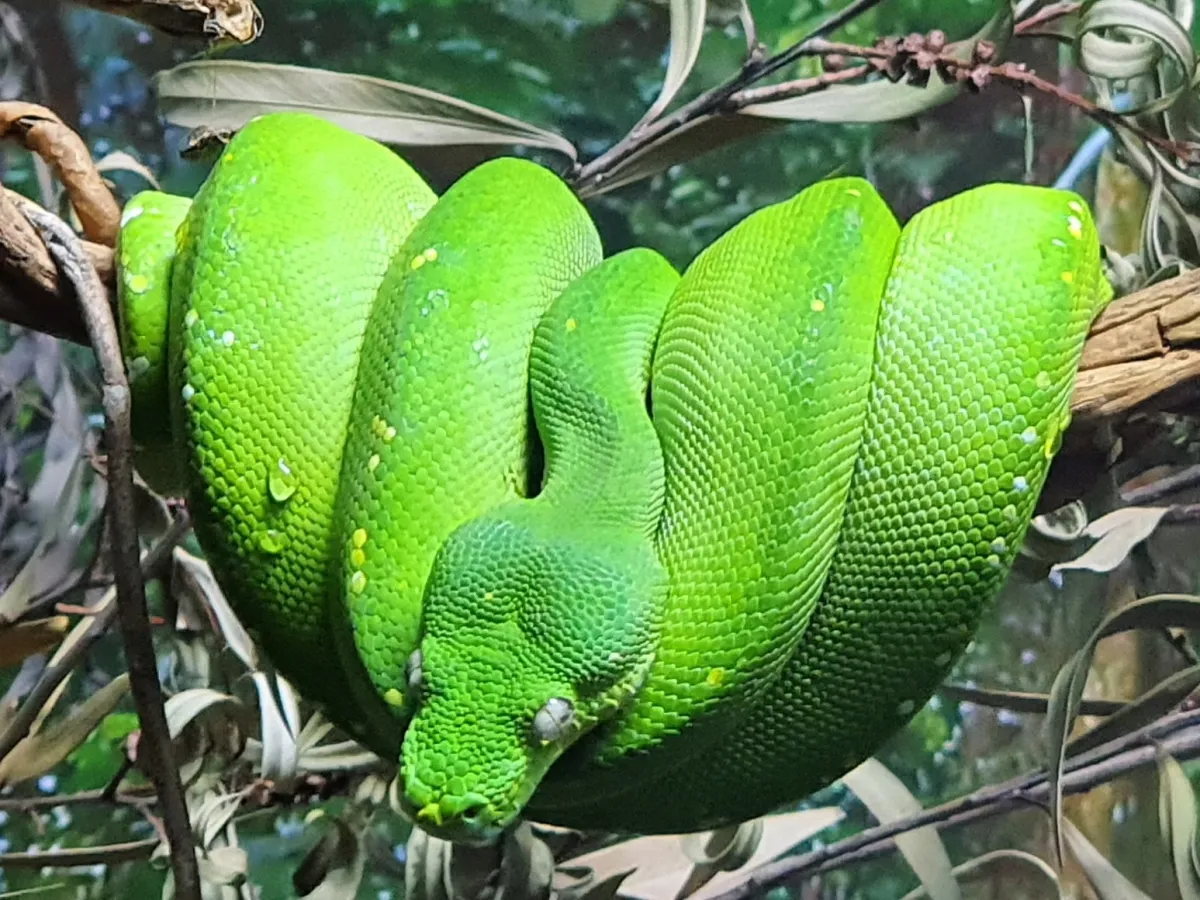
What does the snake symbolize?
In this article
Historically, snakes symbolize rebirth, transformation, fertility, healing, and dualities such as life and death or wisdom and temptation. Because snakes shed their skin through a biological process called sloughing, human cultures have long viewed them as living emblems of renewal and immortality, even as their venom inspired reverence, fear, and caution.
Understanding snake symbolism matters because this single archetype appears across nearly every continent, religion, and literary tradition. Recognizing why a serpent can represent medicine in a hospital corridor, temptation in a religious text, or transition in a classic novella helps readers, writers, and art enthusiasts decode deep cultural patterns without misreading the author's or artist's intent.
Rebirth, healing, and the creative life force
At the foundation of snake symbolism is a striking natural observation: a snake periodically crawls out of its old, dull skin, emerging glossy and seemingly made young again. Ancient societies interpreted this cycle as proof that the creature possessed a secret to renewal, immortality, and the creative life force.
Fertility and connection to the earth
Because snakes live close to the soil, inhabit underground burrows, and emerge in warmer seasons, agrarian cultures associated them with earth deities, spring rain, and agricultural abundance. In many early traditions, serpents guarded sacred springs, wells, and buried treasures, linking the animal directly to the sustaining powers of nature and human fertility.
Medicine and the Rod of Asclepius
The link between shedding skin and physical recovery turned the snake into an enduring emblem of healing. In ancient Greece, Asclepius, the god of medicine, carried a rough wooden staff entwined with a single non-venomous serpent. Non-venomous snakes were kept in healing temples because they were harmless and symbolized rejuvenation. Today, the Rod of Asclepius remains the authentic international symbol of medicine and healthcare.
Dualities: wisdom, protection, and danger
Few symbols carry as much moral tension as the serpent. A snake can cure through antivenom or kill with a single bite, and human storytelling reflects this biological reality by casting the serpent as both a wise guardian and a perilous adversary.
- Sacred protection: In ancient Egypt, the Uraeus—an upright, flaring cobra worn on the royal crown—symbolized sovereign authority, divine protection, and fierce defense against enemies of the pharaoh.
- Cosmic energy and eternity: The Ouroboros, an ancient emblem depicting a serpent eating its own tail, represents the eternal cycle of creation and destruction, wholeness, and the infinite nature of time.
- Temptation and cautionary wisdom: In Judeo-Christian tradition, the serpent in the Garden of Eden embodies cunning, temptation, and the loss of innocence, yet other biblical passages instruct believers to be as wise as serpents while remaining harmless as doves.
- Spiritual awakening: In Hindu and yogic traditions, Kundalini is envisioned as a coiled serpent resting at the base of the spine, representing latent spiritual energy that rises toward enlightenment when awakened.
Cultural variations in serpent symbolism
Interpreting a snake in art, folklore, or dreams requires paying close attention to cultural origin. A motif that signals evil in one tradition may signify ancestral blessing or cosmic harmony in another.
| Culture or tradition | Primary snake motif | Core symbolic meaning |
|---|---|---|
| Ancient Greece | Rod of Asclepius | Medical healing, rejuvenation, and ethical care |
| Mesoamerica | Quetzalcoatl (Feathered Serpent) | Wind, learning, fertility, and the union of earth and sky |
| Norse mythology | Jormungandr (Midgard Serpent) | Cosmic boundary, fate, and the inevitable cycle of world renewal |
| East Asian traditions | Chinese Zodiac Snake | Intuition, strategic wisdom, elegance, and quiet transformation |
| Aboriginal Australian lore | Rainbow Serpent | Creation, water sources, ancestral law, and seasonal fertility |
The snake in literature: lessons from The Little Prince
Modern literature frequently draws on ancient serpent archetypes to explore transition, mortality, and hidden truths. A prime example appears in Antoine de Saint-Exupery's classic novella, The Little Prince, where a golden desert snake is the very first character the young traveler meets upon arriving on Earth.
The snake as a guide to transformation
In the story, the snake speaks in riddles and possesses a venom capable of returning anyone it touches back to the earth from which they came. Rather than acting as a malicious villain, the snake functions as an ancient threshold guardian. It represents mortality, detachment from the physical body, and the painful transition required for the prince to return to his distant asteroid and beloved rose.
Why is he called the Little Prince
Readers exploring the snake's role in the book often pause to wonder why the main character is called the Little Prince. Saint-Exupery never gives the boy a conventional given name; instead, the title reflects both his literal reality and his poetic nature. He is called a prince because he is the sole ruler and caretaker of a tiny asteroid, B-612, where he tends his volcanoes and protects a single proud rose. Calling him "little" emphasizes his childlike clarity, emotional honesty, and small physical stature compared to the self-important adults he meets across the universe—qualities that allow him to recognize the truth behind the snake's quiet, solemn offer.
Common mistakes when interpreting snake symbols
When analyzing snake imagery in literature, visual art, or personal reflection, people often fall into predictable traps that flatten a rich symbol into a single cliche.
- Assuming every snake means evil or deceit: Western readers conditioned by the Garden of Eden story frequently misread ancient Greek, Asian, or Indigenous serpent motifs as demonic when they actually represent healing, water, or ancestral wisdom.
- Confusing the Caduceus with the Rod of Asclepius: Many commercial organizations mistakenly use the Caduceus—the winged staff of Hermes entwined by two snakes—as a medical logo. Historically, the Caduceus symbolized commerce, negotiation, and travelers, whereas the single-snake Rod of Asclepius represents medicine.
- Ignoring posture and context: A coiled, resting snake signals latent energy, patience, or self-containment, while a striking or shedding snake points toward active conflict, sudden change, or personal renewal.
Frequently asked questions
What does it mean to dream about a snake?
In symbolic psychology, dreaming of a snake rarely carries a single fixed meaning and instead reflects the dreamer's emotional state. A calm or shedding snake often points to personal growth, healing, or a major life transition, whereas a threatening snake usually highlights unaddressed fear, stress, or a perceived betrayal in waking life.
Why is the snake associated with both life and death?
The dual association comes directly from biology. Snakes shed their skin cleanly, creating a vivid visual metaphor for rebirth and continued life, while venomous species possess the power to end life rapidly. Ancient observers united both traits into a single symbol of ultimate transformation.
What does a snake shedding its skin symbolize?
A snake shedding its skin symbolizes releasing the past, emotional renewal, and spiritual rebirth. Just as the animal must rub away a tight, worn outer layer to continue growing, the symbol represents leaving behind outdated habits, roles, or hardships to enter a new stage of life.